
About
Dana Kachan is the CEO of The Opinion, a UK-based strategic PR & marketing agency specialising in Web 3.0, blockchain, fintech, decentralised finance, artificial intelligence, gaming, and emerging tech.
The Opinion provides digital marketing services for startups, enterprises, and investors/family offices. The company counts over 500 strategic partners in 15+ countries in Europe, the Middle East, and Asia today.
As a strategic marketing advisor, Dana Kachan guided multiple tech startups including NeurochainAI, Edge Video AI and others.
Ex-Chief Marketing Officer of the group of five companies under the BullPerks umbrella. Former personal PR strategist for tech entrepreneurs.
During her career, she consulted over 70 businesses in the fields of Web3, AI, smart home electronics, gaming, crypto, product design, VR, and software development.
Her growth marketing strategies helped entrepreneurs bring their businesses to the next level within 2-3 months. Dana’s portfolio features multimillion-dollar sales for tech startups, including the $5.5M NFT sale for GamesPad, the $1.5M crowdfunding campaign for Web3War, and others.
>> TRACK RECORD
>> MEDIA
She is the author of 3 books dedicated to product design, logo & brand identity, and UX/UI design published in collaboration with Fireart Studio.
Her articles about business and leadership have consistently gone viral, remaining among the most-read pieces even three years after their publication. They have been featured as top stories in major outlets such as Yahoo Finance, Entrepreneur.com, and UX Magazine, with journalists continuing to reference her work in their publications.
Dana’s articles on Medium, covering topics in graphic and product design, have each received between 40K-87K reads and have been regularly cited by leading design media over the years.
>> ART BACKGROUND
Dana’s academic background in art, design, and sculpture, helped her bring a creative perspective to visual storytelling and the tone of voice for her ventures and clients.
Her refined feeling of trends, artistic sensibility, and education help her develop an exclusive personal style and image for her clients.
While working in the tech industry, Dana continues to draw her greatest inspiration from the art world, frequently attending art fairs and galleries in London and across the globe.
>> IMMIGRATION & EXPLORATION
With immigration to 4 countries (France, Cyprus, Poland and the UK) and traveling to over 25 countries, Dana’s story is a lot about self-discovery and cultural exploration.
Her love for epics and the history of ancient civilizations motivated her to travel to extraordinary places such as India (entire Northern India & Ladakh), Nepal (Himalayas), Egypt (Cairo, Luxor), Italy (Pompeii, Rome), Greece (Athens) and many others.

Dana’s entrepreneurship started early. As a 10 y.o. child, she started to create designer clothes and sell it to her schoolmates and their friends.
During her university years, she combined her studies with entrepreneurship too. Among her first entrepreneurial endeavors - a school of Eastern art for adults, an e-commerce gemstone business, and other ventures.
Entry into the tech industry marked a new chapter in her career. During her full-time roles at tech companies, she continued her independent marketing consulting practice which helped her fast-track business experience, establish a reputation as a marketing advisor, and start her own entrepreneurial journey in tech.
She also believes that tech is just one chapter in her journey, with much more ahead because…
>> THE START OF CAREER
‘‘Life is continuous self-reinvention”
- Dana K.
Articles in big media
-
4 Lies About Marketing That Tech Startups Need to Stop Believing
Each product launch experience teaches you new lessons. I would like to share some lessons that startup life taught me. In this article, I'll uncover four of the biggest lies about what makes tech startups successful, as well as a few marketing management tips. (Entrepreneur.com).
-
Ultra-Luxury Brands Through the Prism of Gal Yosef’s Cartoon Aesthetics
There are things you can’t buy, including a unique vision of the world and the ability to express it creatively. I had a chance to interview the self-taught prodigy who is becoming one the most influential digital artists of our time - Gal Yosef (Hackernoon.com)
-
The Era of Metaverse Marketing
Think of a Ferrari test drive on the virtual streets of Paris, Los Angeles, Bangkok, or any other destination in the world. Or, would you like to travel to ancient Pompeii or a luxury resort in a second? Many limitations will be removed: geo-location, finances, and time, for example. (VentureBeat.com)
Press Coverage
/
Press Coverage /








Weekly PR insights
-
Marketing Secret of $5.5M NFT sale
One of the biggest cases in my portfolio was the NFT sale for GamesPad for $5.5M, with NFTs being sold in just 3 days. The main marketing ✦ SECRET of that sale and a very underestimated element: STORYTELLING.
I know some tech folks might roll their eyes🙄and say, "Nah, no way a nice story can drive sales."😆
But here I am, the person who led the marketing campaign, and here are the numbers. Everyone is free to make their own conclusions.🎓
That was the NFT collection of 5 types of beautifully designed cyborgs. The story communicated on socials was about their birth, each with their unique life purpose, unique soul pain, and unique challenges - something very close to everyone and deeply human, despite our heroes were machines.
Some of them lost their tribes, some lost their land, some - didn't even know their families. They had dreams and very own desires that drove them through all the challenges.
✦ People were empathic to these cyborgs because everyone could see the reflection of their own pain in one of these stories.
…And you won’t believe how MANY and how BIG purchases people make based on their sentiments and emotional reactions. No shame admitting I am one of such people.
After monitoring campaigns of our clients, I can assure you that data shows the same - sentiment sells.
✦ So what was the SECRET of that sale?
Evoking people’s sentiments, addressing their ‘pain’, and inspiring them to unleash their inner power and become the champion in their lives.
That wasn’t just a story to sell. It was a deep bond with an audience and inspiration to keep their head up and win. -
The Era of Greed: Invisible Beast That Kills Startups
GREED… Either this invisible beast controls you, and you lose everything you built. OR you put this beast in a cage of your mind, take control over it, and start managing your wealth wisely.
When you’re a crypto trader, it’s easy to see how greed destroys. But when you’re a founder, it’s stealthier, more deceptive and often, fatal. In my practice, I’ve seen greed kill projects long before the product even went public.
These are a few examples of how greed ruined Web3 startups (ONLY REAL stories):
1) ✦ TRYING TO RAISE WAY MORE THAN YOU NEED. And AS A RESULT, RAISING $0.
Setting unrealistic fundraising goals without a clear strategy of how you're going to use this money for business growth doesn’t impress investors. It repels them. At the end of the day, such startups struggle to raise even minimal funds. VCs are smart. Most of them can spot greed, wrong motivation, and poor financial planning from a mile away.
2) ✦ USING INVESTOR MONEY ON A LAVISH LIFESTYLE.
Spending the money you raised from investors on a fun and lavish life - one of the biggest temptations for first-time founders. I've seen many startups spending funds on luxurious trips, nice designer clothes, casinos, and even buying yachts without investing in the growth of their business.
They even laid off their teams to save money on salaries and then tried to do marketing and development themselves to sustain a “nice picture” of a dynamic project for investors. They failed to grow their wealth and they deceived their investors. Such people never become rich despite the millions they raise, because they lose them very quickly.
3) ✦ SPENDING FIRST BIG REVENUE ON EGO, NOT GROWTH.
Teams could make millions of dollars from their first sales and… then buy an Esports team instead of investing in marketing at a very early stage of their startup. They also spent a lot on parties, while leaving their employees without salaries and their business without the future.
4) ✦ LAUNCHING TOKEN SALES ON TOO MANY LAUNCHPADS (to maximize fundraising).
This is one of the most common mistakes among pre-TGE startups. What happens next? Too many tokens in the hands of retail users. At TGE, mass sell-offs tank the price. And if it dips below the IDO price - communities of launchpads ask for refunds (a common case of launchpad policy). The end result: no money, broken token, broken reputation…
I've been on both sides of the table, as a founder and as an advisor guiding other founders. Trust me, competitors or a market situation are NOT our main business challenges. But our own Greed and our Ego are. -
Survival guide for first-time startup founders
Sometimes, it's useful to share what you learned with others in order to receive a new portion of knowledge. 🍽️
This is why I’ve written this improvised business survival guide for entrepreneurs. I’ve spent years on self-education, but some lessons can only come with experience.
The first truth: being really, really good at your craft (as a professional) makes only around 30% of your success. What compounds the other 70%? Let's break it down.
1/ ✦ Your business acumen (business instincts). Subjective view: it either comes in the original package of your personality or you can acquire it through trial and err.
2/ ✦ Your “stubbornness” and believing in yourself.
The number of times I was told I would fail (by my then-close friends, former colleagues, teachers and employers)? Too many to count. Can’t count all the times when I was criticised for my views and independent thinking, which helped me in business at the end of the day.
3/ ✦ The majority doesn’t like those who stand out… and ADORES them simultanously.❤️🔥
Even though everyone seems to praise independent thinkers in public, in reality - the majority doesn’t like those who stand out. It adds an additional layer of social pressure to young self-made entrepreneurs. The most important thing is not to let society break you.
Mostly, brands that do something differently become the most successful, which leads to a logical conclusion that customers love such brands because using their services or products helps them express their personality and change their life as well.
4/ ✦ Art of survival and adaptivity to new conditions.
Very simple: you either learn it or you fail. 😂 And you fail until you learn it. At least, this is how I experienced it.
5/ ✦ Emotional stability.🧘♀️
You should learn to master your emotions like a Buddha monk in order to run a business successfully. Cold mind and passionate heart lead to success. Mind, disbalanced by emotions, will always lead to failure and loss of money. Self-control is in your best interest.
I believe entrepreneurship is much about a spiritual journey, because you have to develop many qualities as a personality in order to run a business successfully.
Stay tuned for PART II. Thanks to all those patient people who read that long post. 😁 -
Victim of copycats or trendsetter?
When someone copycats you - is it good or bad for your reputation? The short answer: my congrats, you’re a TRENDSETTER. 👏
People often get annoyed when others try to copycat their work, style, signature accessories, and even behavior. Considering yourself as a victim of copycats or a trendsetter - just a matter of choice.
For my big surprise, our clients and I sometimes face situations when someone tries to copycat the elements of personal style or even nuances of business positioning. Right, because only something unique and valuable can become the target of copycatting.
If this is something happening to you too, and you get mad - please don’t. This is why it’s not worth your emotions. Whether they admit it or not, but…
♦️Subconsciously, copycats admire you and see particular value in your work, style, etc.
♦️Copycats struggle to create something very own and unique, at least for now. They just learn, and they learn from you.
♦️Good job, your style and work don’t leave people indifferent - this is something many people and companies try to achieve by investing hundreds of thousands in marketing.
WHY copycatting might be BAD for copycats:
♦️Imagine that your entire life, you had certain traits, style, and personal peculiarities that most of your acquaintances or target audience were aware of. Suddenly, you artificially replace them all with a style which - as everyone will surely assume - doesn’t really match your true self.
It might look funny, or even worse, somewhat pathetic, particularly if the copycat and the person whose work has been copycatted operate in the same industry and share the same target audience, which is a common case.
When creating a personal image and style for our clients, I always ask them two important questions: 1 - what are your personal values? And 2 - what is your path / experience? These questions help me understand a client better, and help me invent a signature style that will perfectly match their personality.
So I wish everyone to unleash their potential and develop a unique brand style that will become a reflection of their personality and their true values. -
Can Vipassana help entrepreneurs achieve personal integrity?
For years, I've been building countless business relationships in finance, tech and blockchain industries, and met many people. Fellow founders, family business owners, self-made entrepreneurs and visionary investors.
I've noticed more and more people from these business circles started endorsing Vipassana meditation as the ultimate way to clear the mind, restore energy and gain fresh insights for your life and business. For those unfamiliar, it's a 10-day retreat of complete silence and meditation - no phone, no laptop, no communication with the outside world.
What many don't know about me is that I'm quite familiar with mindfulness practices. Years ago, I spent significant time, travelling across India, Nepal and small Tibet, learning from Buddhist monks, Hindu babas and yoga practitioners in my search for a deeper understanding of life and purpose. That was a very adventurous part of my life. :D
📌 Vipassana is an interesting experience - no doubt. A true achievement if you can stay silent even for a few days, not mentioning weeks.
However… Does it make any difference if you keep talking / thinking negatively and doing wrong afterward? No vipassana can fix you and undo what you've done, until you just stop doing things like that in your everyday life.
📌 Yes, so simple. Just stay positive - stop complaining, talking negatively, judging others and never start again. And your life will start taking a completely different course. Don't blame your employees, your partners and most importantly, yourself, for any mistakes made. I know, it's easier said than done.
IMO, self-reflection, self-control and self-forgiveness are the keys to personal integrity and the ultimate allies in your journey to a better, easier and more purposeful life as a human and entrepreneur.
Have you ever tried Vipassana? ;)
Photo gallery
-
![]()
Oxford
-
![]()
Painted Hall, Greenwich (London)
-
![]()
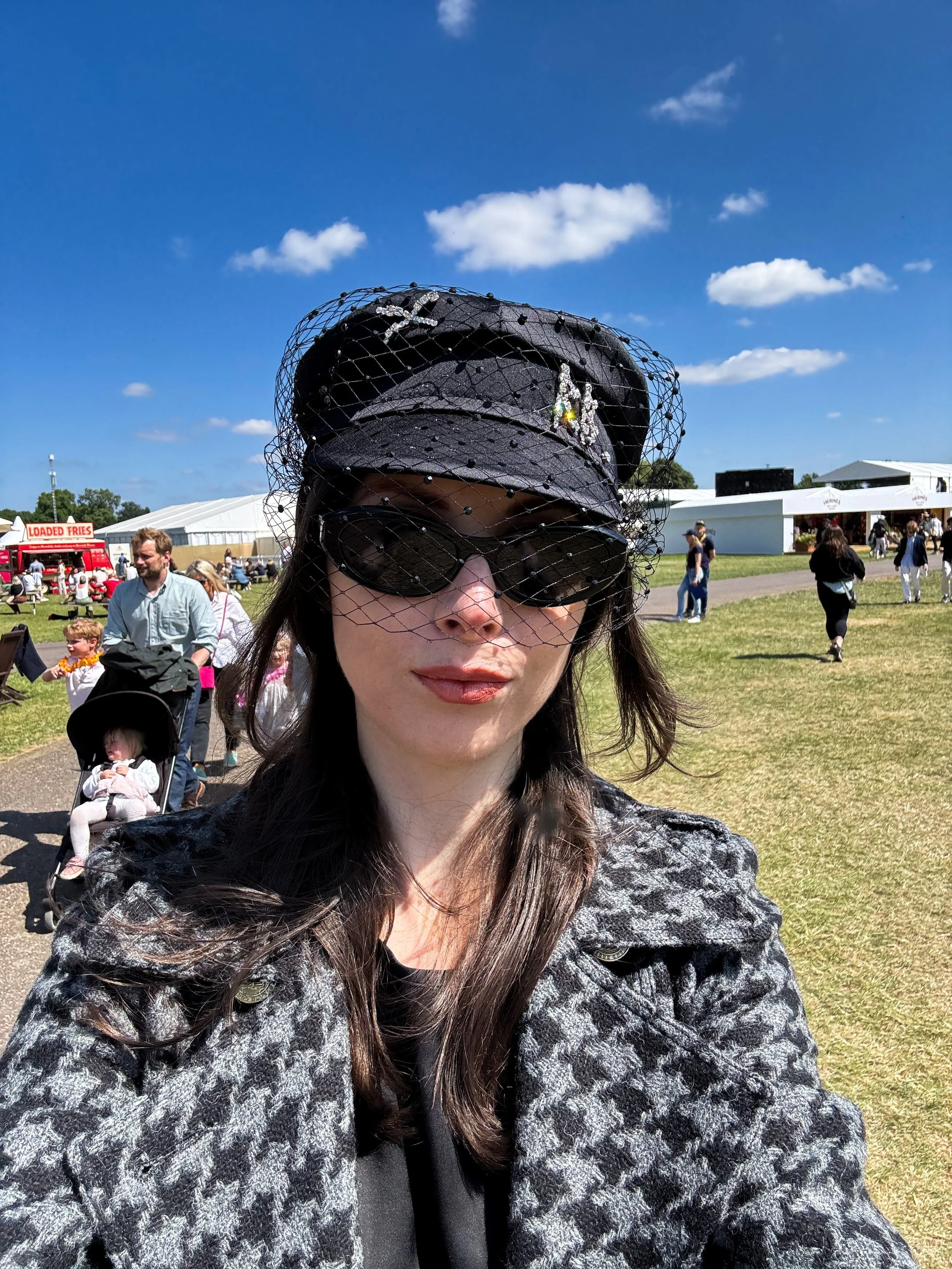
Windsor Royal Horse Show
-
![]()
Windsor Royal Horse Show
-
![]()
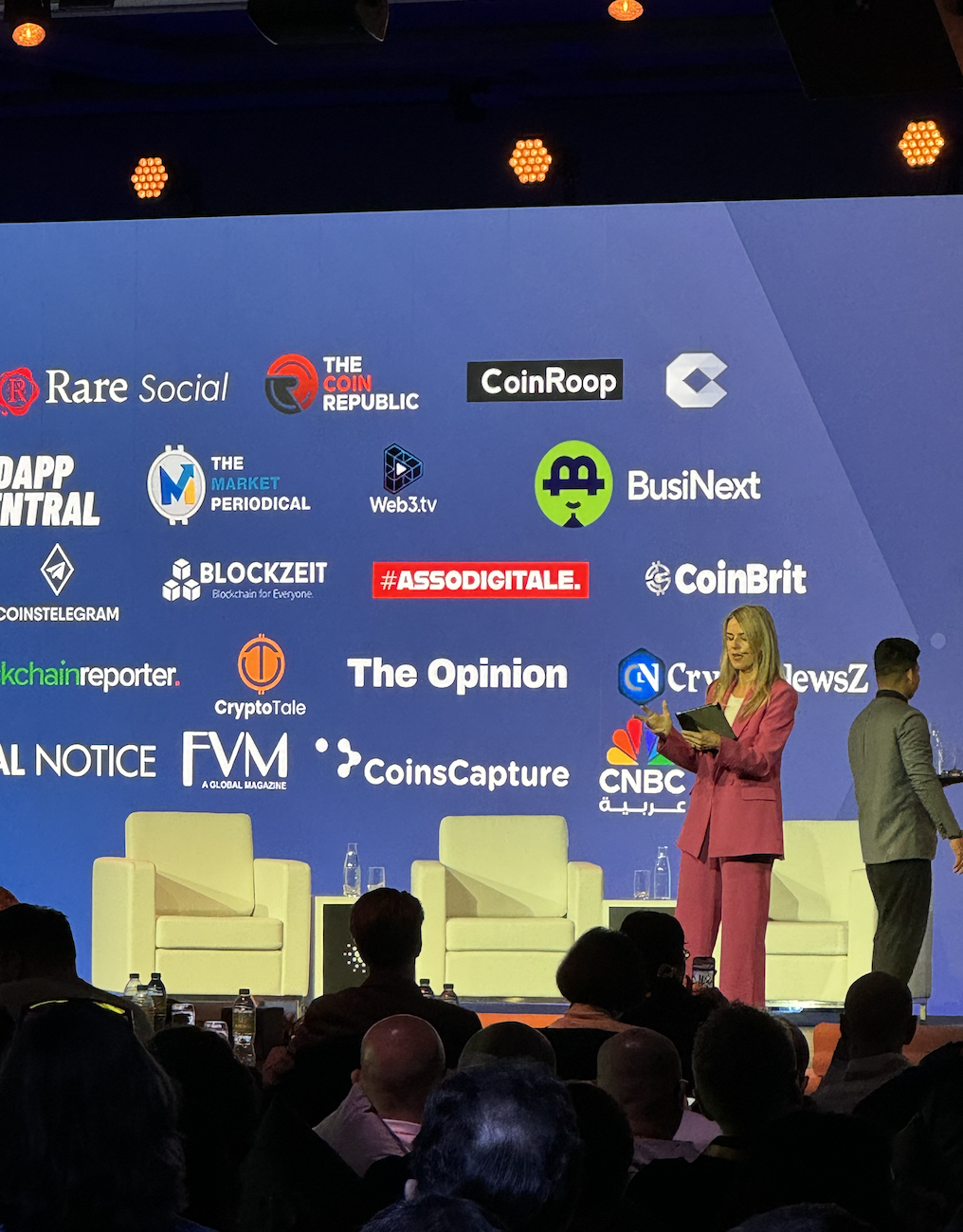
The Opinion as a media partner at the Cardano Summit in Dubai
-
![]()
European Blockchain Convention (Barcelona)
-
![]()
Oxford
-
![]()
Unchained Summit, Dubai